We are aerospace engineers, agronomists, data scientists, and statisticians building the AI that helps agricultural operations stop guessing and start knowing.
LAYERS started in 2011 with a simple problem: agricultural operations were making multi-million dollar decisions based on estimates that were wrong by 10–20% depending on crop and region.
That problem took 13 years to solve properly.
Not because the math was hard, though it was. Not because the satellite data was sparse, though early on, it was.
It took 13 years because precision agriculture is not a software problem. It is an agronomic problem, a logistics problem, a weather problem, and a trust problem, all at once.
Today, LAYERS operates across Brazil, Peru, Central America, and Europe. Our platform monitors sugarcane, corn, soy, wheat, and cotton. Our yield prediction models achieve error rates that field teams actually trust when planning their harvest.
The team that built this is not a collection of generalists. It is a deliberately assembled group of specialists, each one here because this problem requires their specific expertise.
Building a platform that predicts crop yields before harvest requires more than software engineers. It requires people who understand what happens between planting and picking, and why satellite data alone does not tell the whole story.
LAYERS was born from remote sensing technology. Our aerospace engineers design the systems that turn raw satellite imagery into actionable field intelligence. They know why a 10-meter pixel resolution matters for sugarcane but not for corn. They understand radar backscatter and multispectral indices not as academic concepts, but as the raw material of every map we deliver.
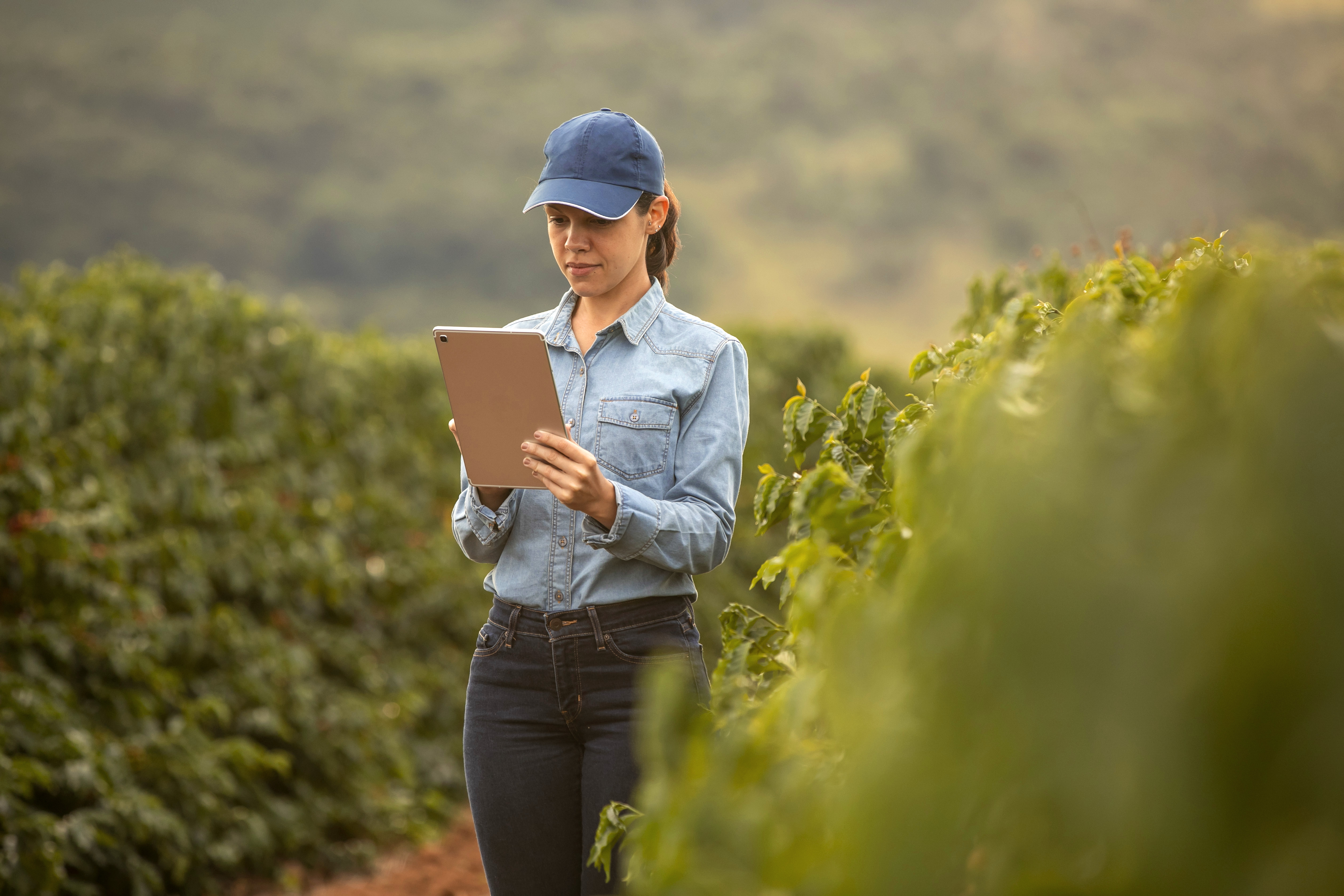
Our agronomists have walked the fields across Latin America. They know the difference between RB varieties in Brazil and CP varieties in Colombia. They understand why a chlorophyll reading in week 12 means something different than the same reading in week 18. Their field knowledge is what makes our models accurate, not the algorithm, but the context the algorithm needs.
Our ML team does not just build models. They validate them. Every prediction goes through statistical stress-testing before it reaches a client. When a model shows 7% error in training, our data scientists ask: will it hold up when the weather shifts mid-season? Will it work on a variety the model has never seen? The answer matters more than the metric.
GIS is the foundation of everything we build. Our geospatial team processes satellite imagery from Sentinel, Landsat, and Planet, managing data pipelines that update weekly across hundreds of thousands of hectares. They handle the quiet, essential work: parcel boundary alignment, cloud masking, temporal compositing. Without them, there is no platform.
We have PhDs who spend their days asking one question: are we actually right? Model validation is not a step in our process, it is a discipline. Our statisticians build the frameworks that tell us when a prediction is trustworthy and when it is not. They are the reason we can stand behind our accuracy claims with data, not hope.
Our CS team is embedded in Latin American agricultural markets. They speak Spanish and Portuguese. They understand zafra timing, budget cycles, and the politics of introducing new technology to a field team that has done things the same way for 30 years. They are not account managers, they are partners who answer the phone when something does not look right on the dashboard.
Our marketing team does not write brochures. They are rebuilding the sales process from scratch, walking through every stage from first contact to signed contract to find the friction points. The CMO is currently running deals end-to-end, not to close revenue, but to understand exactly what a Director Agrícola needs to hear before they trust a new platform with their harvest planning.
Most companies list values and never reference them again. We use these four as operating principles, the criteria for hard decisions when the answer is not obvious.


We do not round up. We do not claim accuracy we cannot prove. When a client asks what error rate to expect, we tell them the real number, and we explain what drives it. Precision is not a marketing word for us. It is the reason we exist.
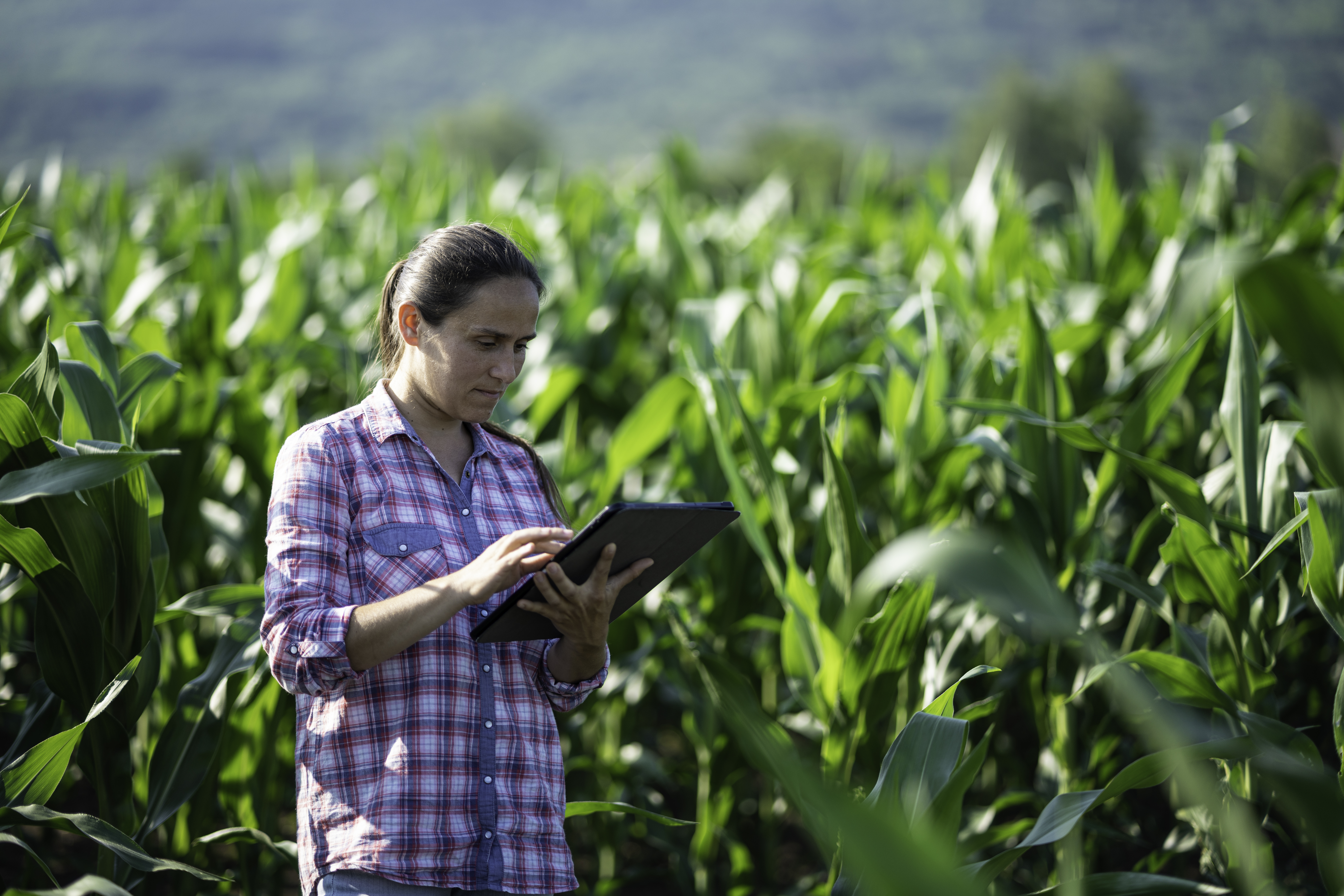
Building technology is not the goal. Changing how 10,000 hectares get harvested is. Every feature, every report, every dashboard gets one question: does this change a decision the client would otherwise make badly?
The agronomist spots a model anomaly. The data scientist investigates. The GIS team checks the imagery. The CS manager talks to the client. Precision at scale is not one person getting it right, it is a system where errors get caught before they reach the field.
Agricultural operations run on tight margins and long hours. The people we work with are under pressure constantly. We show up with solutions, not problems. When something goes wrong, we fix it, and we stay calm while we do.
We are a distributed team with roots in Barcelona and people across Latin America. The work is technical, but the problems are human, a field manager in Guatemala needs to know whether to schedule harvest this week or next. A CFO in Brazil needs yield numbers accurate enough to commit to a supply contract.
Some weeks are about code. Other weeks are about understanding why a particular variety in Veracruz behaves differently than the same variety 500 kilometers south.
We hire people who want to understand the full stack, not just the code, but the crop. Not just the data, but the decision it supports.
The pace is startup-like in urgency but not in chaos. We have been at this for 13 years. The systems are mature. The expectations are clear. The problems are hard, but they are defined.
We do not have ping-pong tables. We do have weekly check-ins where field results get reviewed, models get questioned, and everyone, from the most junior engineer to the founders, is expected to ask “are we sure about that?”
If you are the kind of person who would rather understand why something works than simply make it run, this is your kind of place.
Barcelona, Spain (HEMAV Technology S.L.)
Brazil, Peru, Central America, Europe
Full Latin American coverage including Mexico, Colombia, Guatemala, Ecuador, and Bolivia
Spanish, Portuguese, English
We are not a company that enters markets, we embed in them. Our customer success team operates in local time zones, speaks local languages, and understands that “next zafra” means something different in every country.
We are always looking for specialists who want to work on problems that matter.
Our open roles span engineering, agronomy, data science, and commercial strategy. If you do not see a role that fits, send us your profile anyway, we are building a team for the next decade, not just the next quarter.
View Open PositionsIf you are an agronomist who codes, a data scientist who has walked a sugarcane field, or a GIS specialist who wants to see their work affect real harvest outcomes, we want to hear from you.
Send your profile and a note about why LAYERS interests you. We read every application.
Submit General ApplicationOur vision is to forecast yields for 100 million hectares by 2030.
That is not a marketing number. It is an engineering challenge, an agronomic challenge, and a commercial challenge, all at once.
If you want to be part of solving it, this is where that work happens.